Security System Maintenance: The Hidden Compliance Risk in 2026
26 May 2026
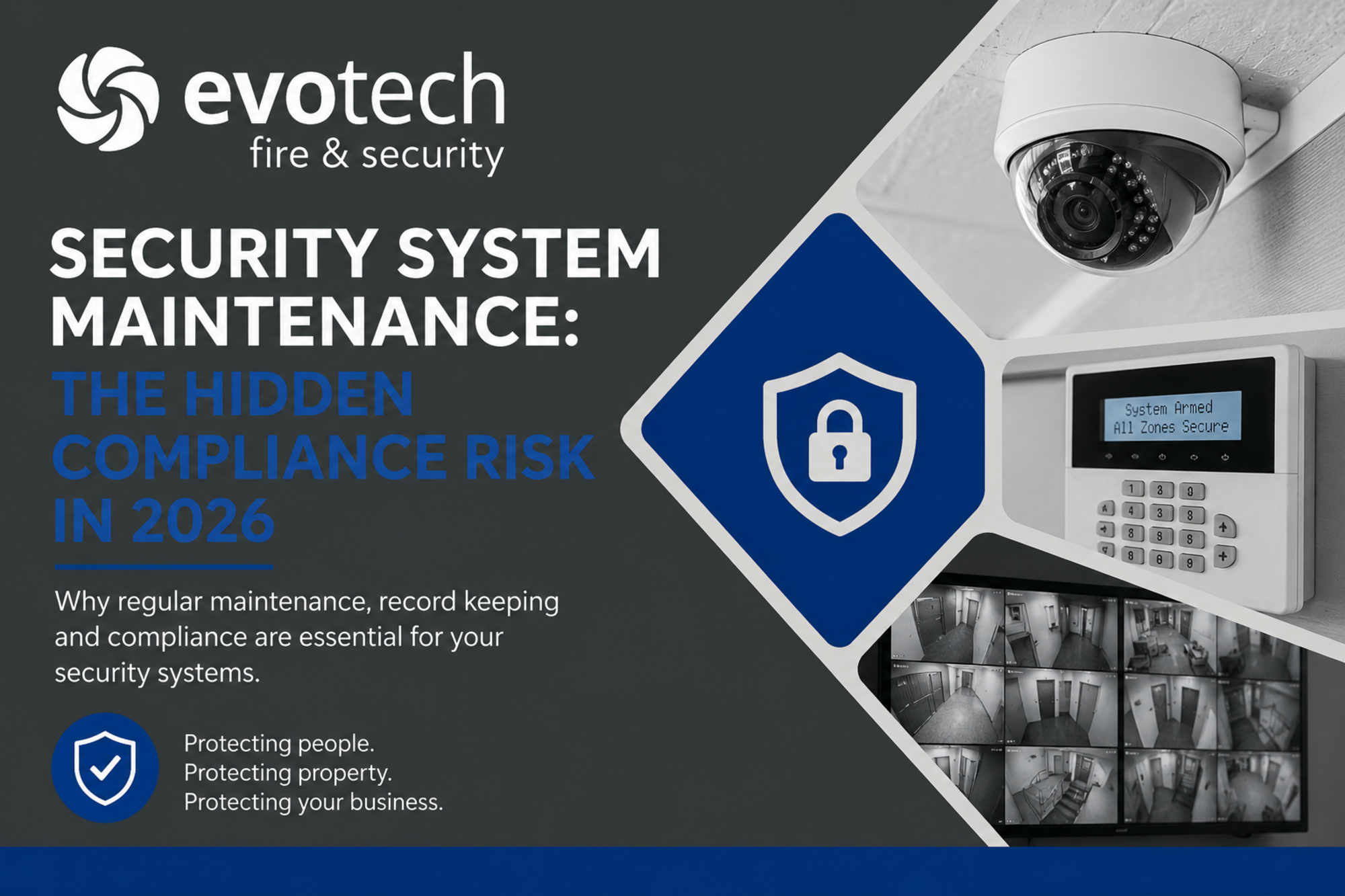
For many organisations, compliance discussions naturally focus on fire alarms, emergency lighting and life safety systems. However, as buildings become increasingly connected and security technologies continue to evolve, security system maintenance is emerging as a critical compliance consideration in its own right.
From CCTV and intruder alarms to remote monitoring platforms and network-connected devices, security systems are no longer simply a deterrent against crime. They play an important role in protecting people, property and business continuity, while also supporting insurance requirements, operational resilience and regulatory obligations.
Yet despite their importance, many organisations still overlook the compliance risks associated with inadequate security system maintenance.
Why Security Maintenance Matters
A security system is only as effective as its ability to perform when needed. Faulty cameras, disconnected alarm devices, communication failures or outdated software can leave businesses exposed without their knowledge.
Unlike obvious equipment failures, security system issues often remain undetected until an incident occurs. By that point, the consequences can include property loss, operational disruption, insurance disputes and reputational damage.
Regular maintenance helps ensure systems remain operational, compliant and capable of providing the protection they were designed to deliver.
CCTV Systems: More Than Just Recording Footage
CCTV systems are now commonplace across commercial buildings, educational facilities, healthcare environments and industrial sites. However, simply having cameras installed does not guarantee compliance or protection. Routine maintenance should include:
- Camera performance testing
- Lens cleaning and image quality checks
- Verification of recording functionality
- Storage capacity monitoring
- Review of camera positioning and coverage
- Network and communication checks
Poor image quality, failed recording devices or storage issues may only become apparent after a security incident, potentially rendering critical evidence unusable.
For organisations that rely on CCTV to support security investigations, health and safety incidents or insurance claims, maintaining system integrity is essential.
Intruder Alarm Servicing Requirements
Intruder alarm systems require regular inspection and servicing to ensure reliable operation. Over time, detectors can become contaminated, batteries can degrade and communication paths can fail. Without routine maintenance, these issues can compromise system effectiveness and increase the risk of false alarms or missed activations. Professional servicing helps verify:
- Detector performance
- Control panel functionality
- Signalling equipment operation
- Battery condition
- Communication pathways
- User operation and system configuration
Regular maintenance not only improves reliability but can also support compliance with insurer expectations and recognised industry standards.
The Importance of NSI Standards
The security industry continues to place significant emphasis on third-party certification and recognised standards.
The National Security Inspectorate (NSI) provides independent certification for security system providers, helping organisations demonstrate competence, quality and compliance.
Working with accredited providers offers confidence that systems are installed and maintained in accordance with relevant industry standards and best practices.
For facilities managers and responsible persons, selecting certified providers can help reduce risk while providing reassurance that maintenance activities are being delivered to recognised benchmarks.
Insurance Implications of Poor Maintenance
One area often overlooked is the relationship between security system maintenance and insurance cover.
Many insurance policies include conditions relating to the ongoing operation and maintenance of security systems. If systems are not maintained correctly, businesses may face difficulties when making a claim following theft, vandalism or other security-related incidents. Insurers increasingly expect evidence that:
- Security systems are operational
- Maintenance is carried out at appropriate intervals
- Faults are addressed promptly
- Monitoring arrangements remain active
Maintaining accurate service records can provide valuable evidence should a claim arise.
Record Keeping: The Foundation of Compliance
Across the wider compliance landscape, documentation is becoming increasingly important. Maintaining clear records of inspections, servicing, repairs and system modifications helps organisations demonstrate that security systems are being managed responsibly. Good record keeping should include:
- Maintenance visit reports
- Fault records
- Corrective actions completed
- System modifications
- Monitoring test results
- User training records where applicable
In the event of an incident, audit or insurance investigation, these records can provide essential evidence of due diligence.
Remote Monitoring and Compliance Responsibilities
Remote monitoring services have become a key component of modern security strategies, providing rapid response to alarms and security events. However, remote monitoring arrangements introduce additional compliance considerations. Organisations should ensure:
- Communication pathways are regularly tested
- Monitoring centre connections remain operational
- Escalation procedures are up to date
- Contact information is accurate
- Alarm signalling equipment is maintained
A monitored alarm is only effective if signals can be transmitted reliably and appropriate responses can be initiated when required.
Regular testing and maintenance help ensure these critical communication links remain resilient.
Cybersecurity: The Emerging Security Maintenance Challenge
Perhaps the most significant development in recent years is the growing convergence of physical security and cybersecurity. Many CCTV systems, access control platforms and intruder alarms now operate across corporate networks and internet-connected infrastructure. Without proper maintenance, organisations may be exposed to risks including:
- Unpatched software vulnerabilities
- Weak user credentials
- Unsupported hardware
- Unauthorised remote access
- Data breaches
Security system maintenance increasingly involves more than checking physical hardware. It also requires ongoing attention to firmware updates, software management and network security controls.
As connected technologies become more widespread, cybersecurity is becoming an integral part of responsible security system management.
Looking Ahead
As compliance expectations continue to evolve throughout 2026, organisations can no longer view security systems as standalone assets that require attention only when faults occur.
Regular maintenance, robust record keeping, adherence to recognised standards and a proactive approach to cybersecurity all play a vital role in ensuring systems remain compliant, effective and reliable.
For facilities managers, building owners and duty holders, security system maintenance is no longer simply a best practice, it is becoming an essential part of demonstrating compliance, protecting assets and safeguarding business continuity.
How Evotech Fire & Security Can Help
At Evotech Fire & Security, we provide planned maintenance, inspection, testing and support services for CCTV, intruder alarm, access control and integrated security systems.
Our experienced engineers help clients maintain system performance, support compliance obligations and reduce operational risk through proactive maintenance and clear reporting.
Whether managing a single site or a multi-location estate, our tailored maintenance programmes help ensure your security systems remain ready when they are needed most.
To discuss your security maintenance requirements, contact Evotech Fire & Security on 0333 207 4245 or visit www.evotechfire.co.uk
Evotech Achieves Prestigious CIBSE Endorsed Organisation Status
Read More >

£1.5 Billion NHS Investment Highlights the Importance of Fire Safety and Resilient Estates
Read More >

Outstanding Audit Results for Evotech Engineers at Chapel & Friary Walk Shopping Centre
Read More >
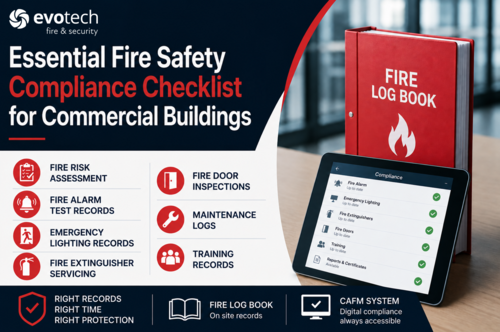
The Essential Fire Safety Compliance Checklist for Commercial Buildings
Read More >